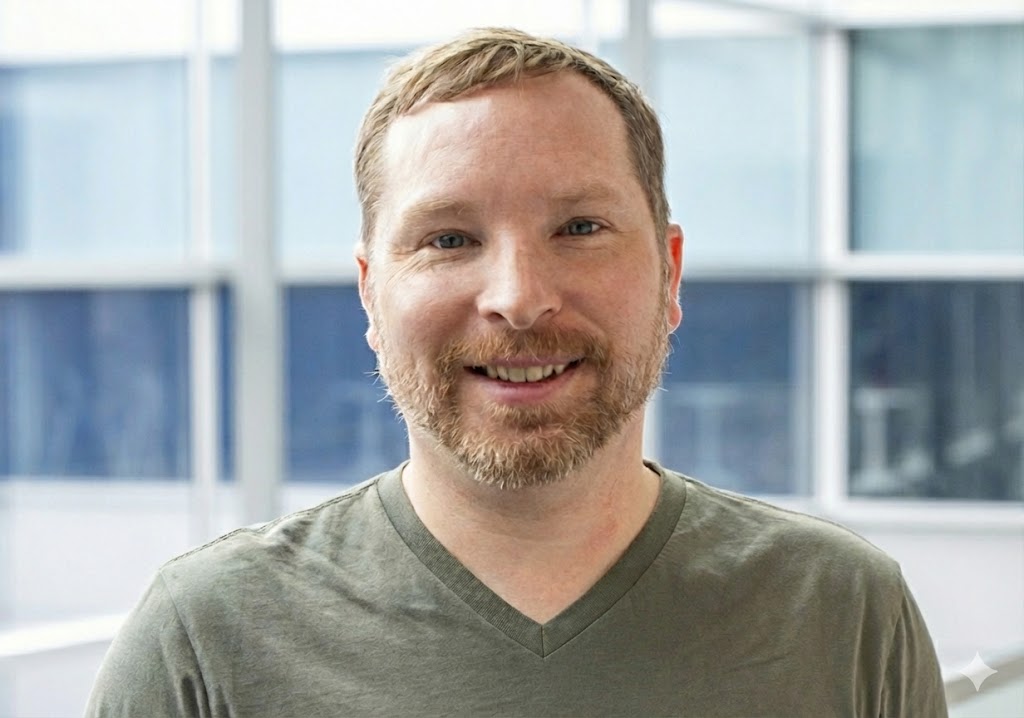
Isaac D. Gerg, Ph.D.
I have spent 20 years doing machine learning on physical sensor data, the last decade making deep learning work where data is scarce, sensors are unusual, and the physics is non-negotiable. I build the measurement model and domain structure into the network, scattering behavior, coherent-imaging constraints, and signal priors, rather than relying on scale alone. That work spans diffusion and GAN-based image restoration and synthesis, self-supervised representation learning, learned compression, and the signal processing that makes them work.
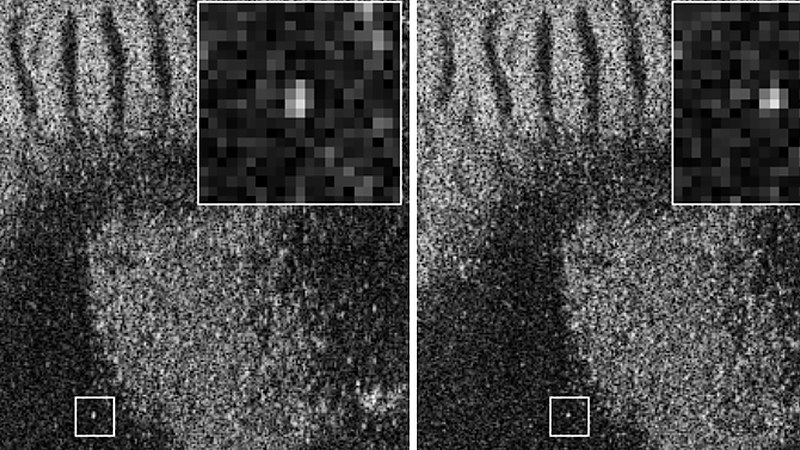
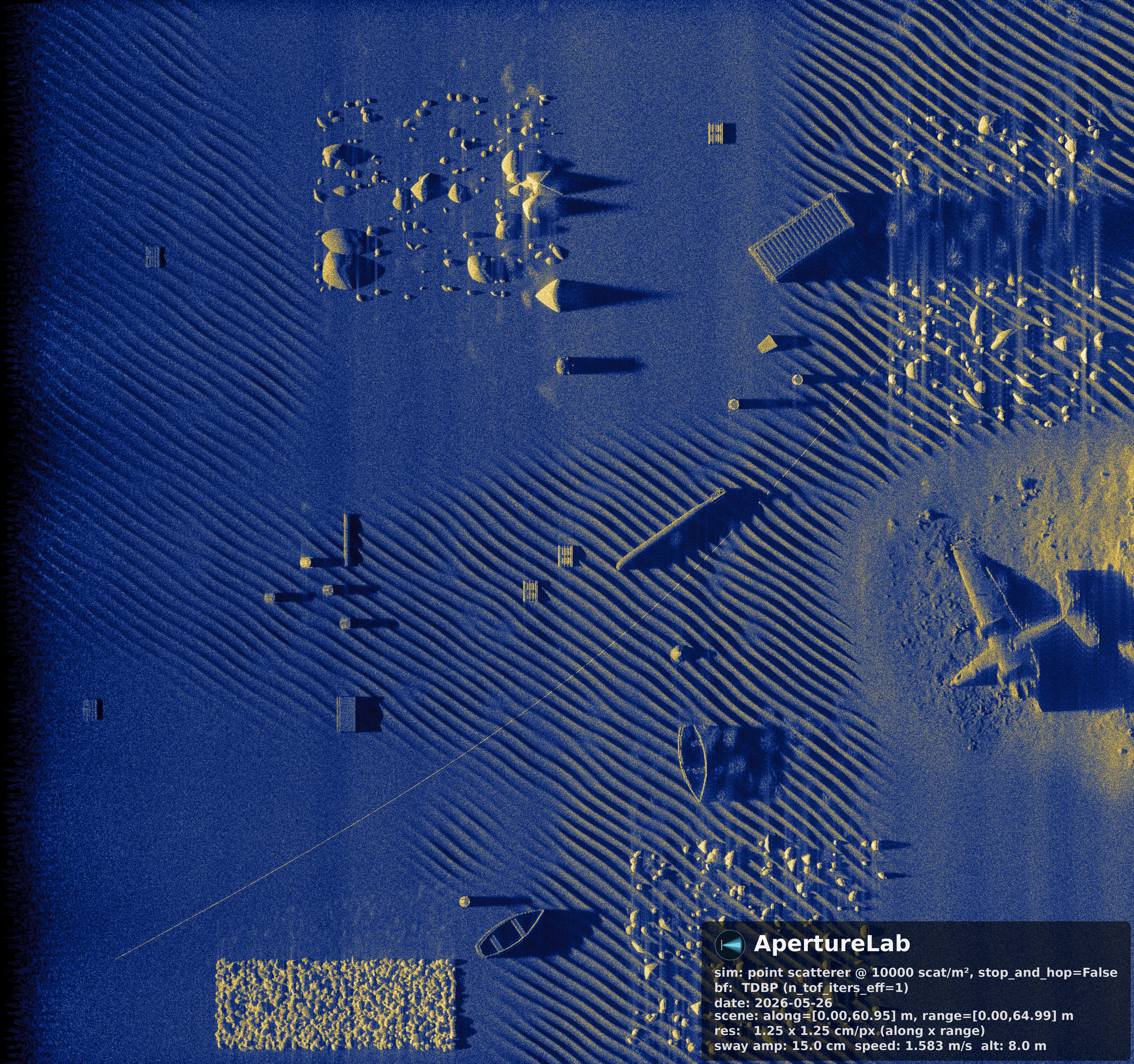
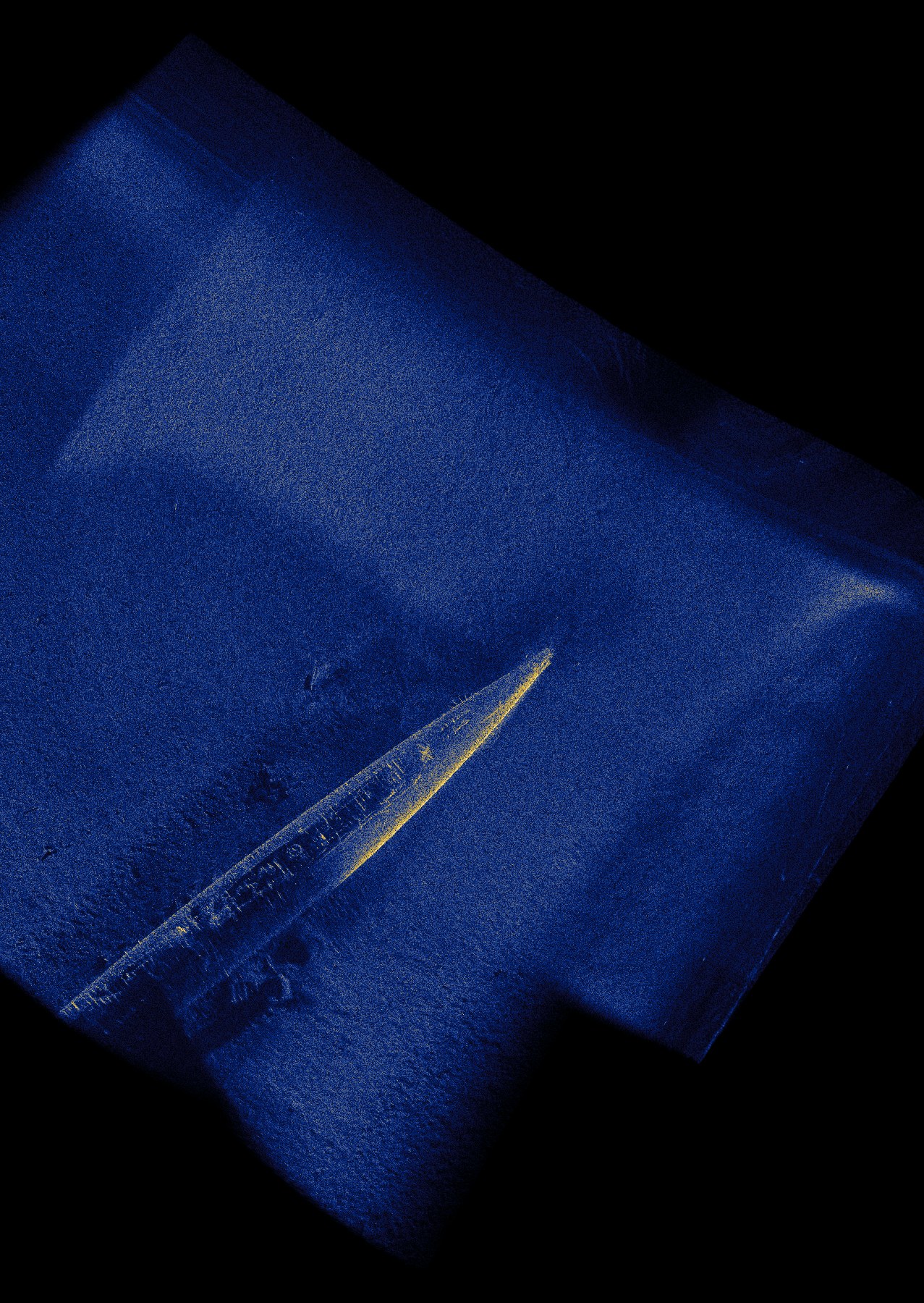
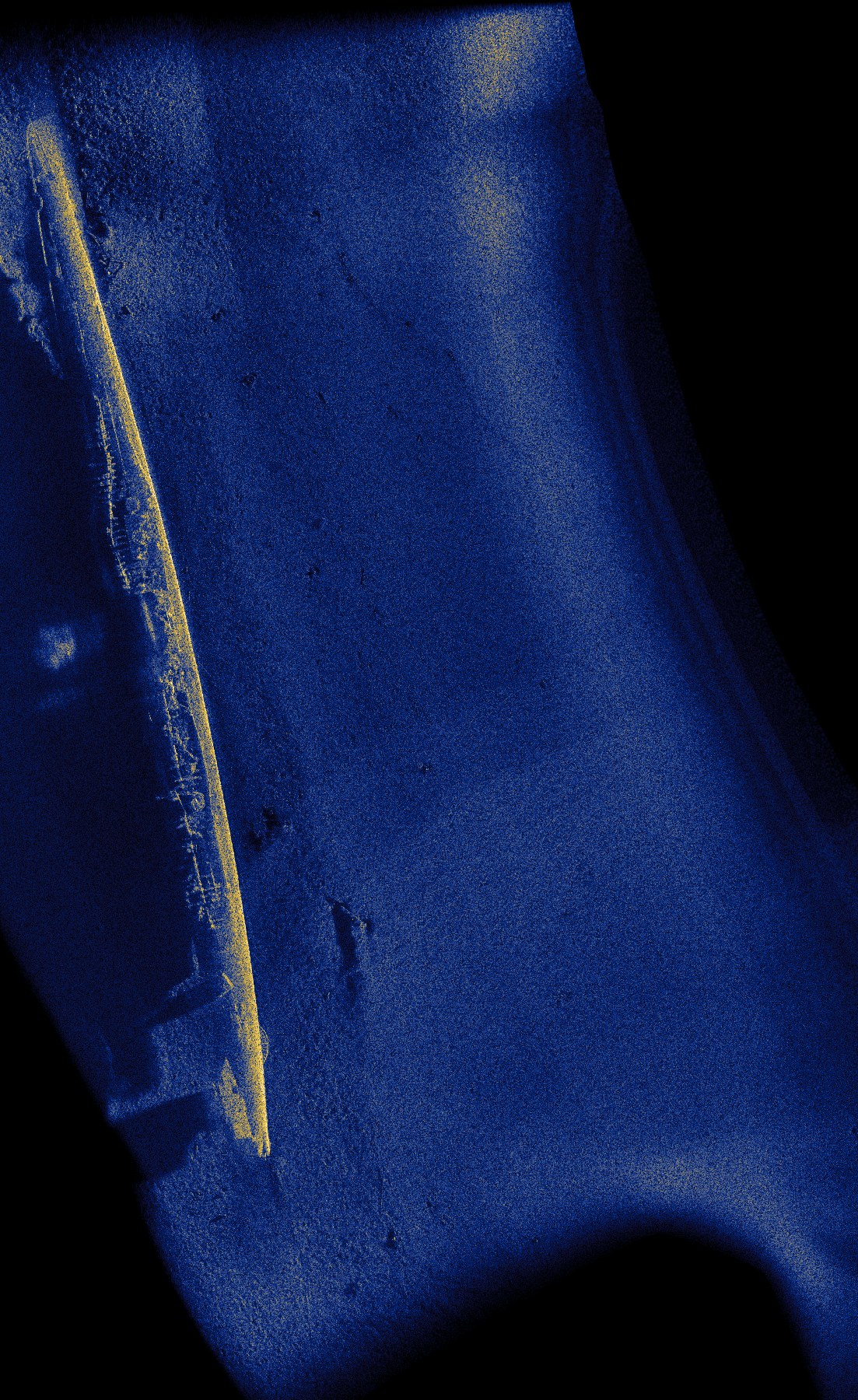
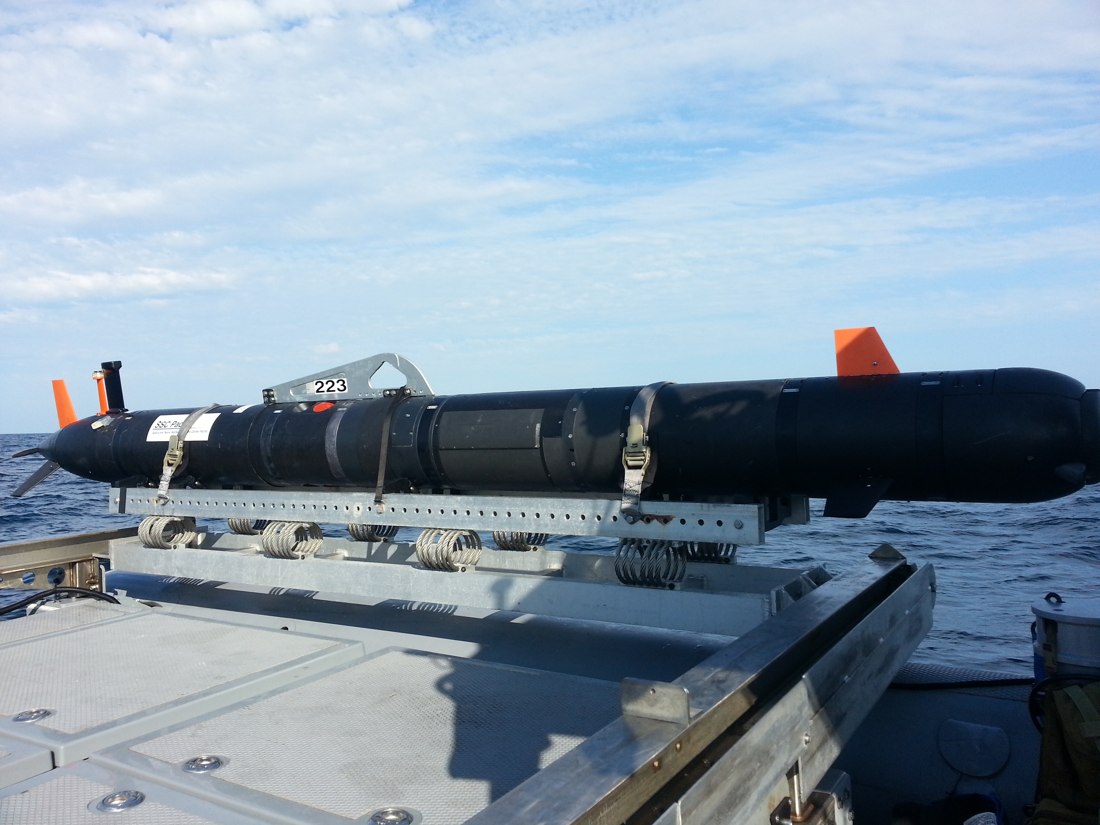
Much of that career went into one of the hardest sensing domains there is: complex-valued, low-data synthetic aperture sonar. Along the way I published 50+ papers, earned two best-paper finalists, and won and led $2.5M+ of research programs as PI (DARPA, ONR, Navy), setting their technical direction. I earned my Ph.D. at Penn State in four years while working full time. My current direction is learned, physics-grounded simulators and world models built from real sensor data; ApertureLab, my end-to-end synthetic aperture sonar simulation workbench, is the working example.
Open to remote research roles in physics-based and domain-enriched ML and multimodal sensing. I do my best work heads-down: developing new methods, evaluating them rigorously, and setting technical direction. US-based, fully remote.